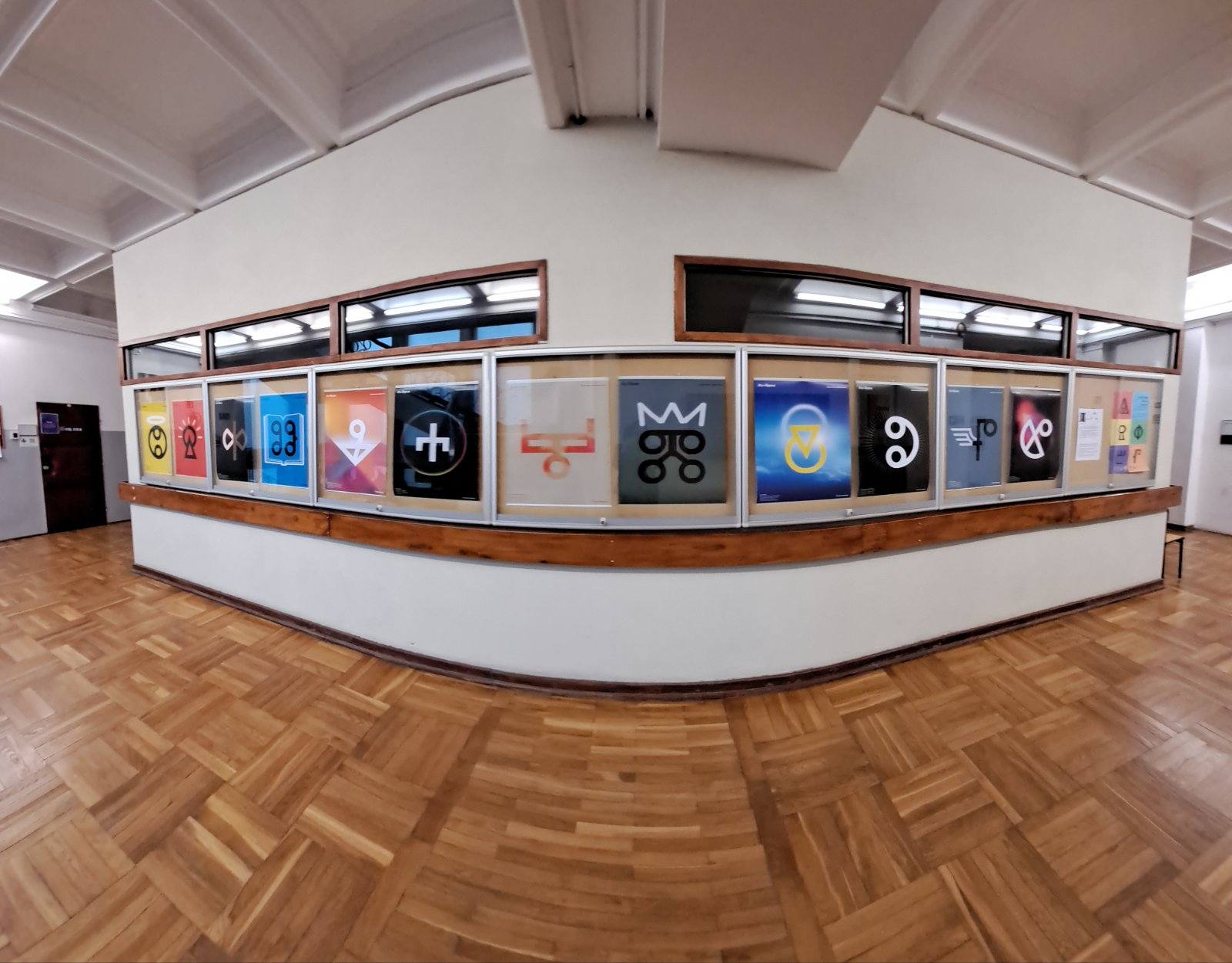
Experiencing Glagolitic in VR: A Functional, Creative, and Immersive Approach
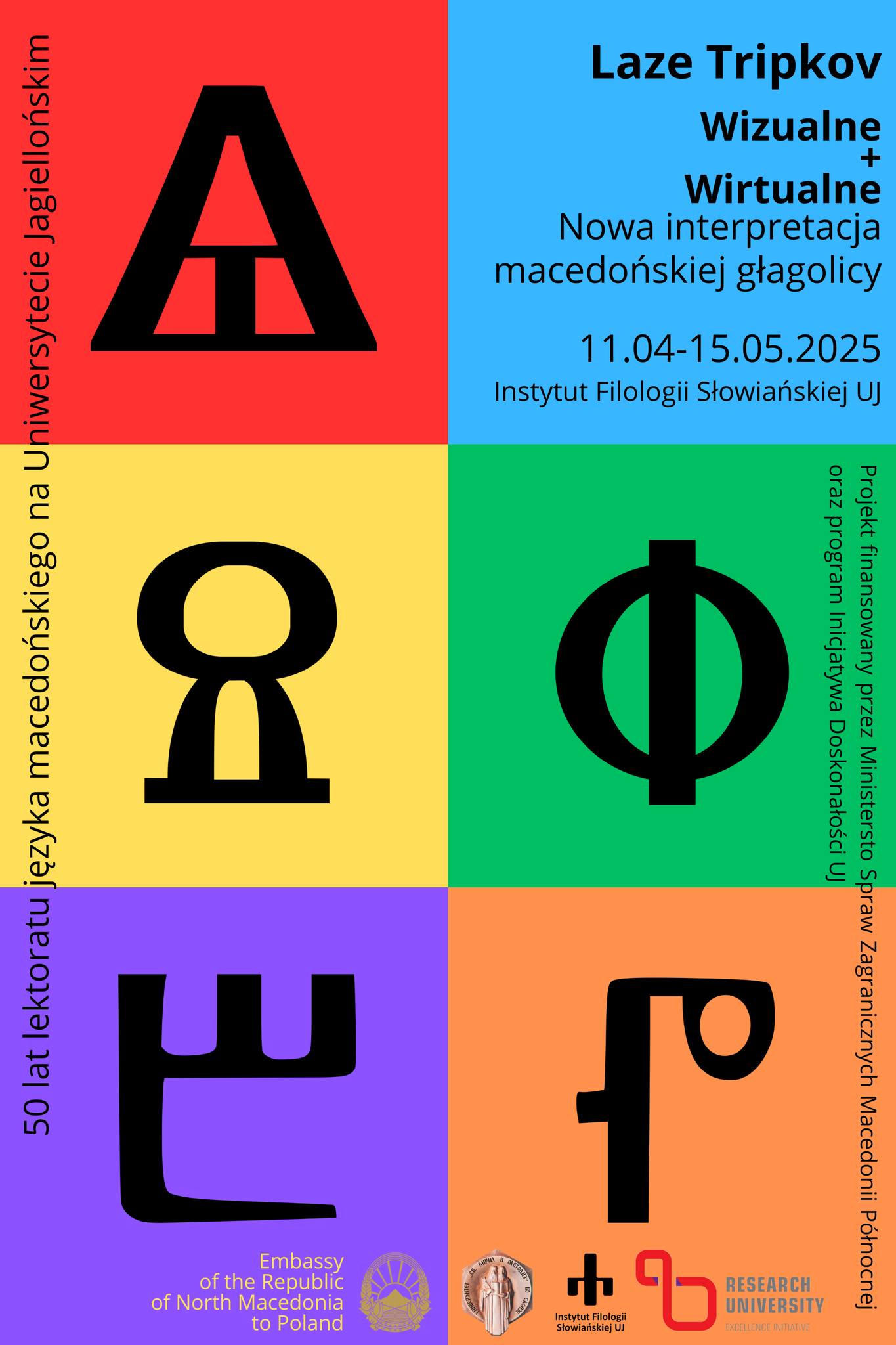
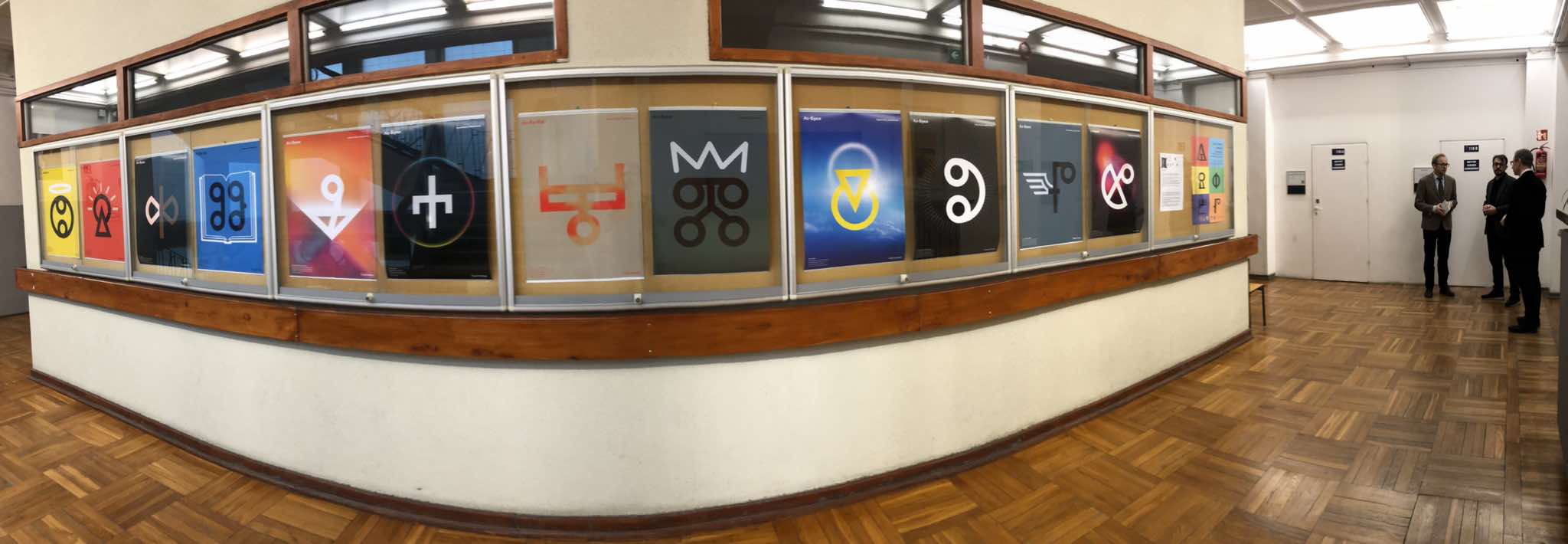
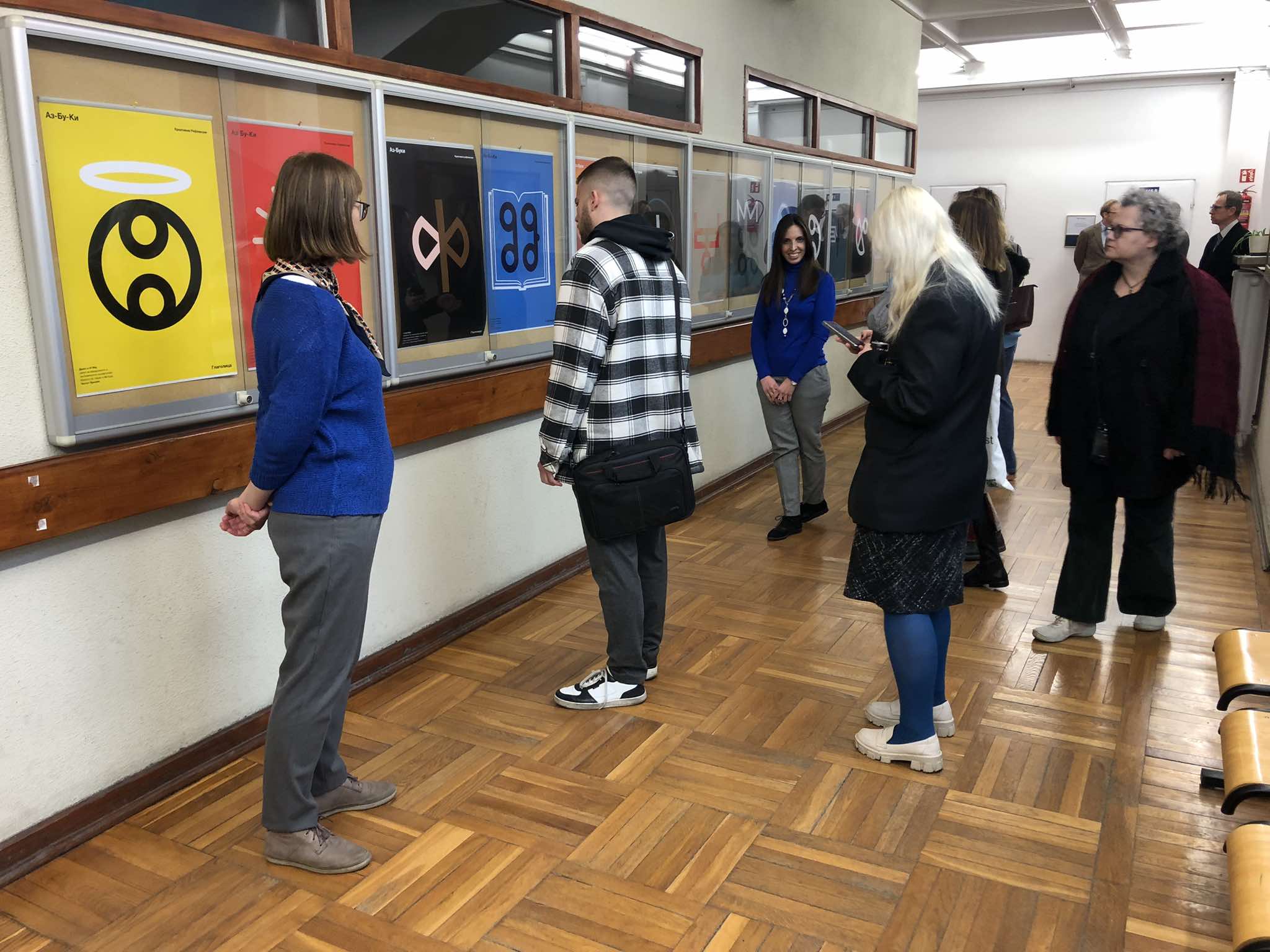
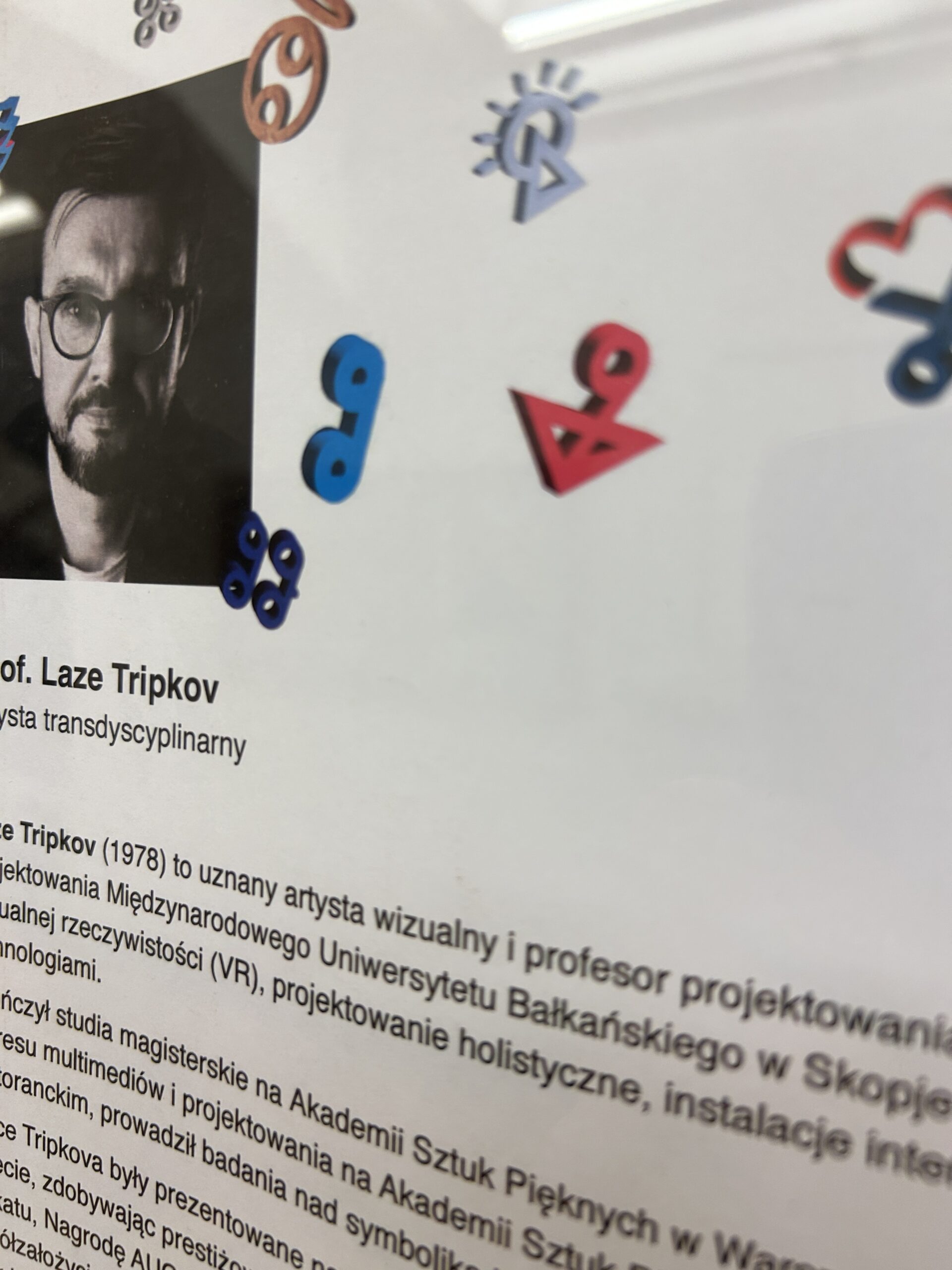
VR Exhibition by Prof. Laze Tripkov
Exhibition Dates: 11.04 – 15.05.2025
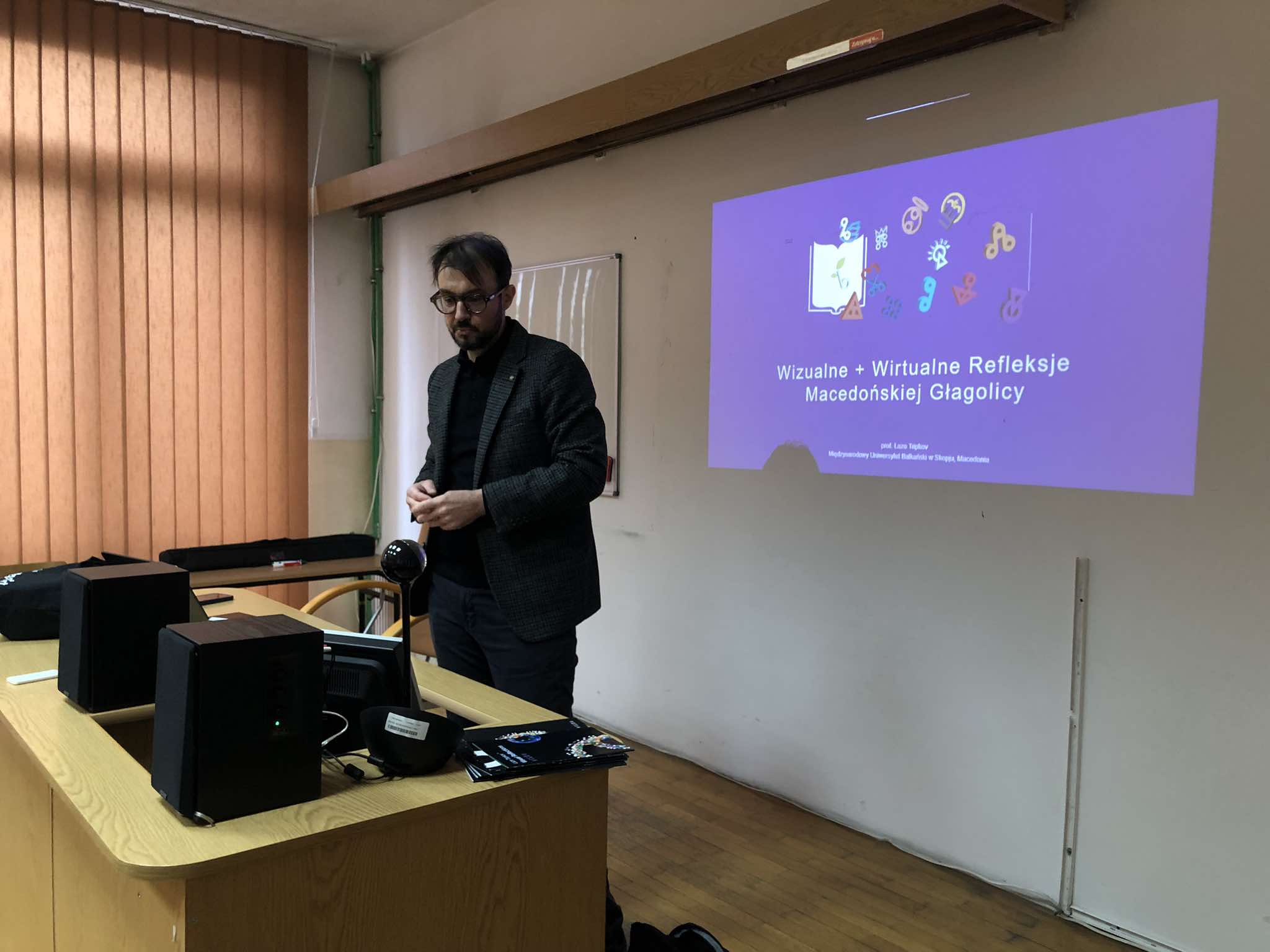
Lecture date: 11.04.2025
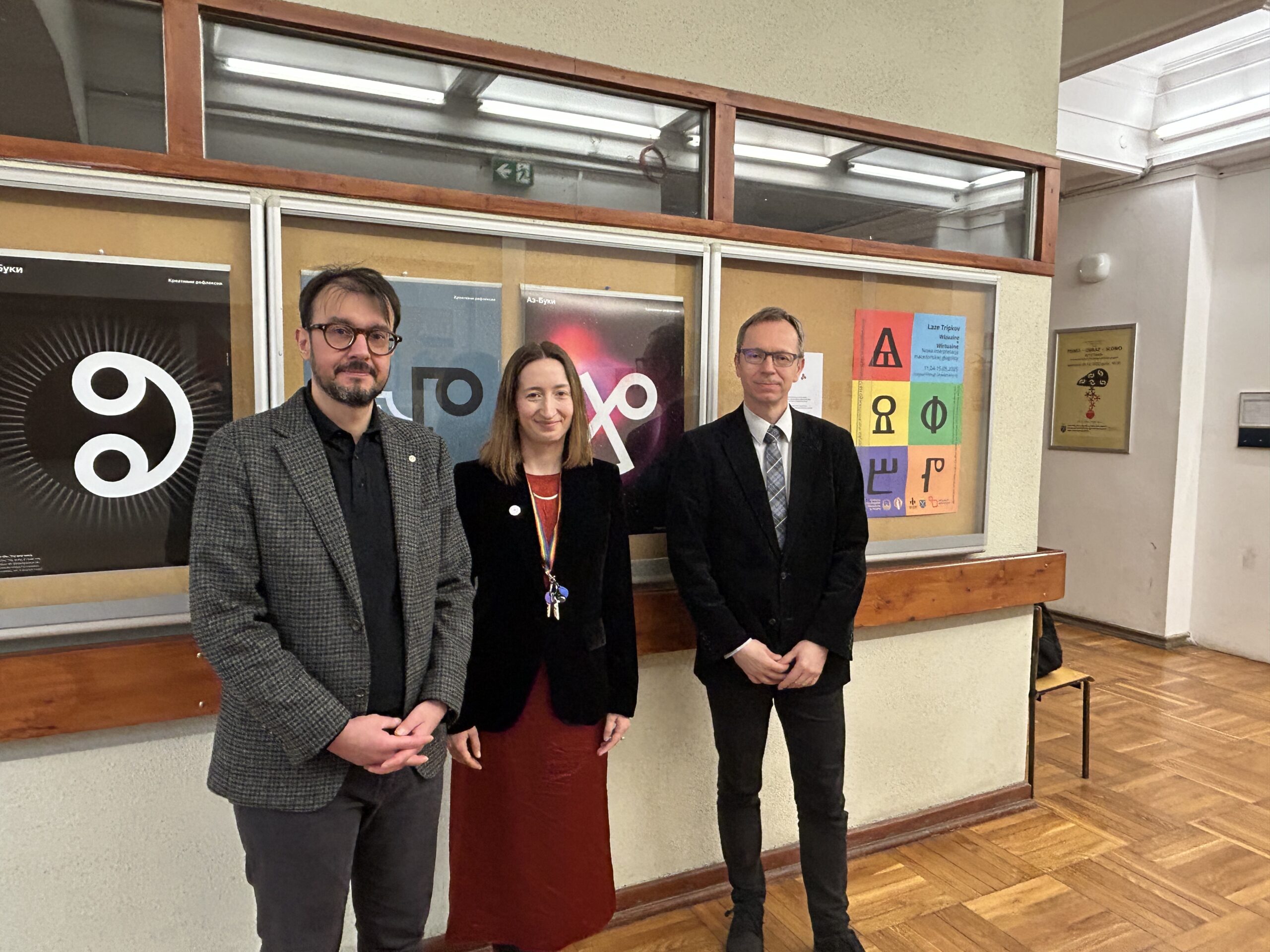
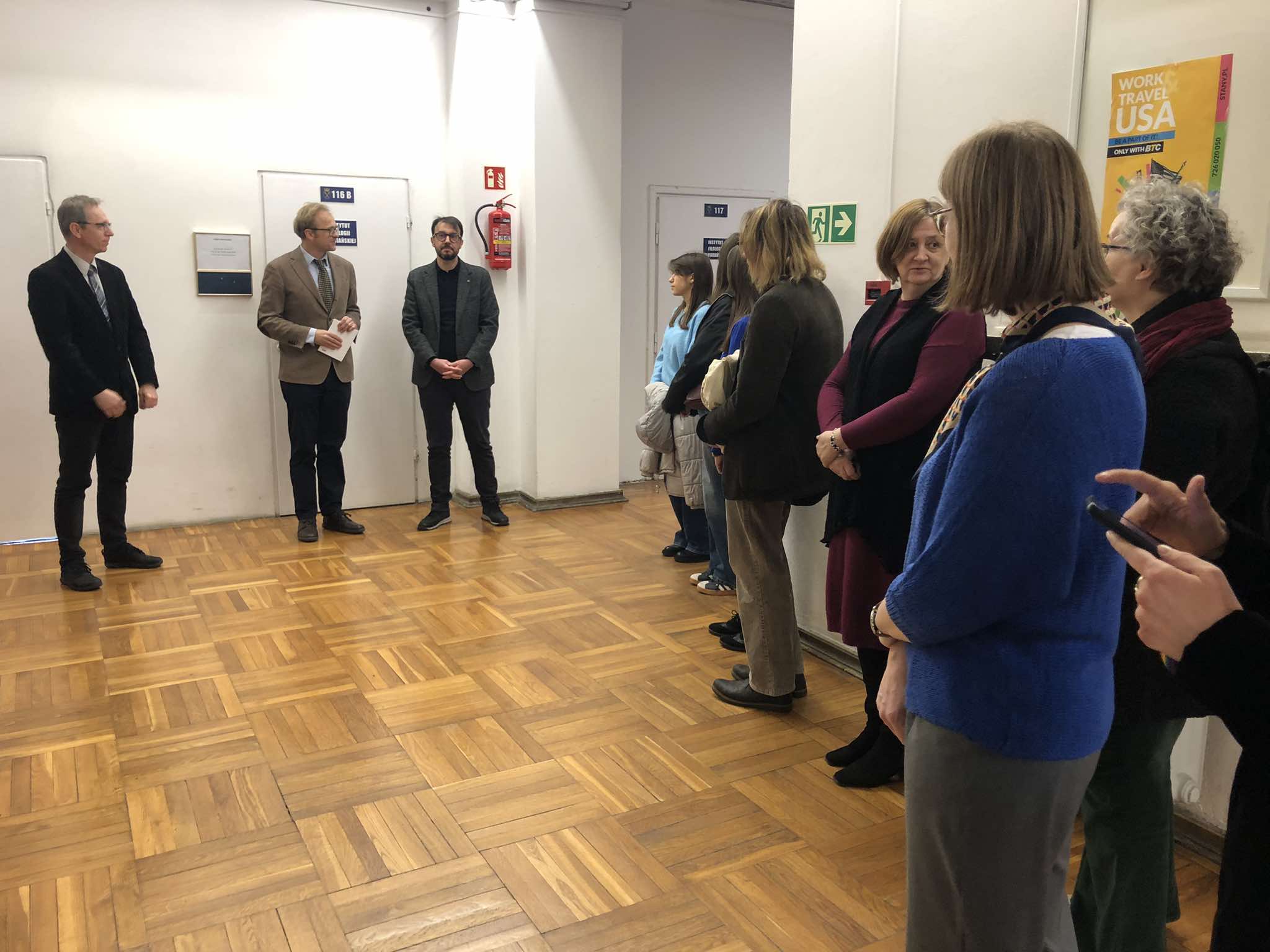
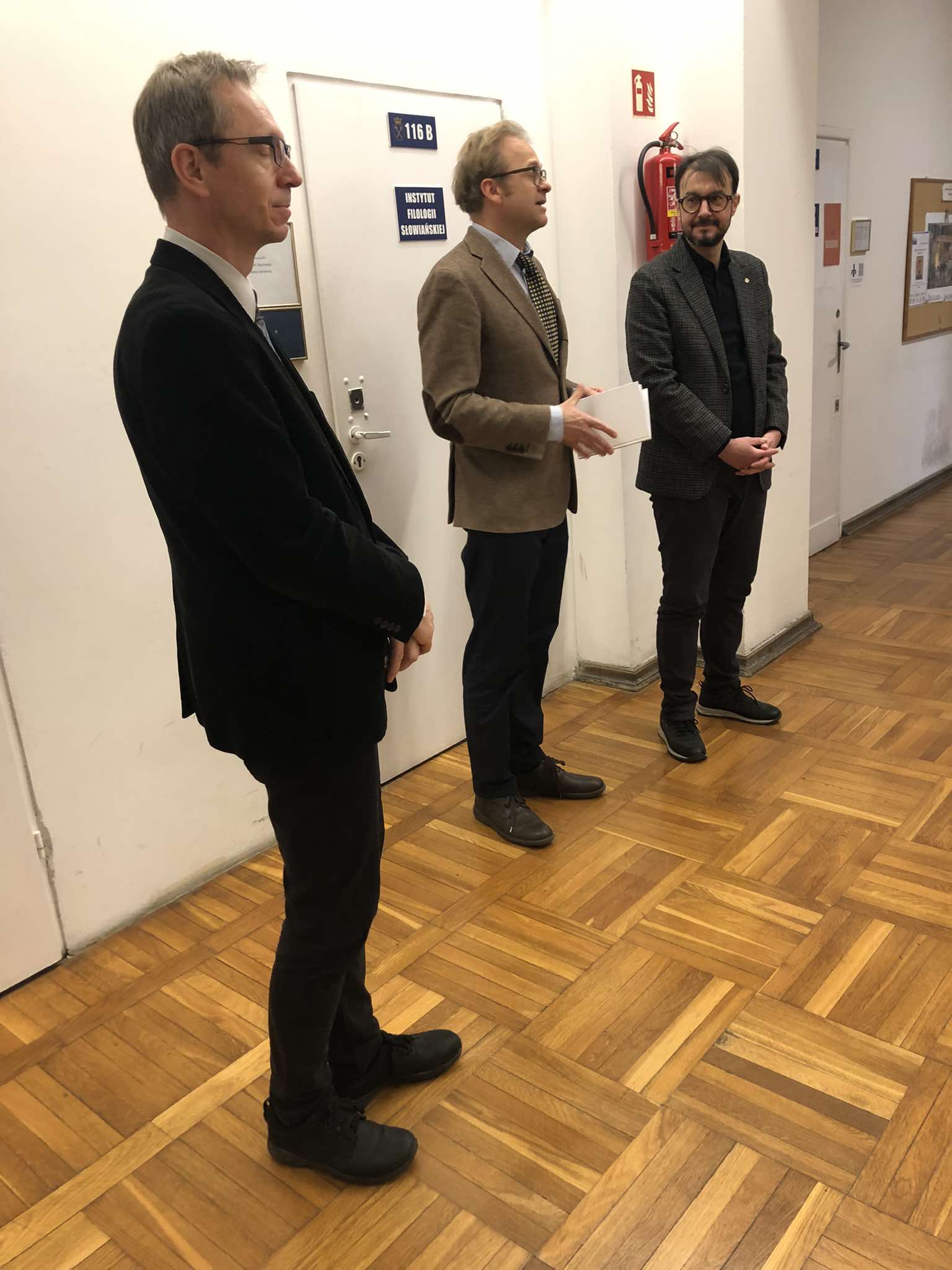
Venue: Institute of Slavic Philology, Jagiellonian University in Krakow, Poland
The lecture explores the transformative potential of the Glagolitic alphabet within the framework of contemporary immersive technologies, with the support of the scientific community at the the Institute of Slavic Philology.
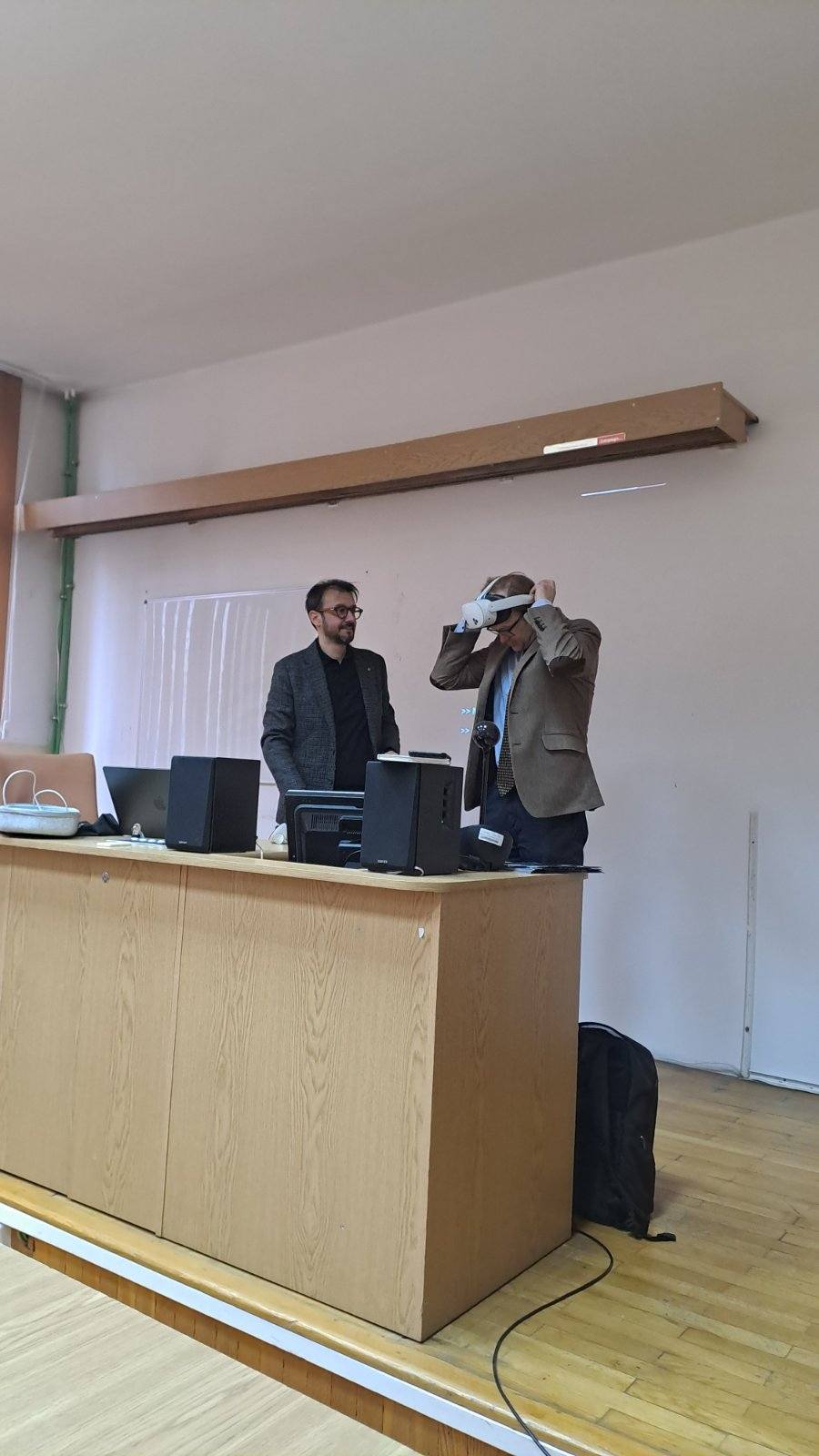
Prof. Laze Tripkov, who has been conducting research for over four years on the concept of the Virtual Poster and on the accessibility of heritage in VR environments, examines how Virtual Reality (VR) can redefine educational processes connected to the study of historical and linguistic writing systems.
This initiative, developed in dialogue with the Institute of Slavic Philology at the Jagiellonian University – one of the oldest universities in the world – seeks to bridge academic research, cultural heritage, and technological innovation.
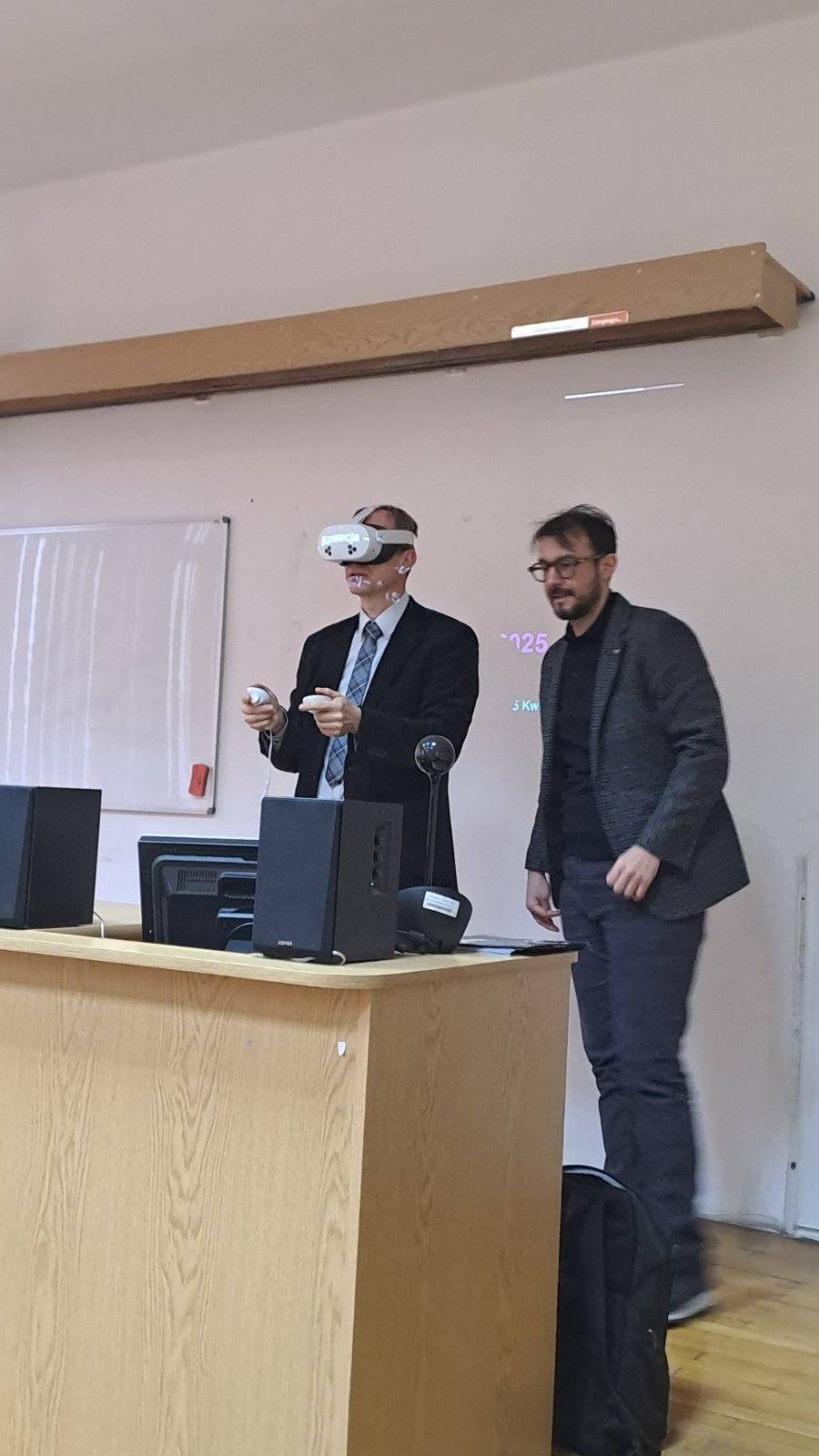
Immersion in a digital, three-dimensional environment offers students and lecturers the opportunity to experience the Glagolitic script in a kinesthetic, sensory, and interactive way, moving beyond the limits of passive learning. This form of engagement not only reveals the cultural and historical depth of this unique script but also stimulates creativity, connecting heritage with new media and the evolving language of visual communication.
Through active participation in an immersive experience, users develop a deeper connection with Macedonian cultural heritage and the legacy of Saints Cyril and Methodius. VR technology enables them to engage directly with the historical writing system while exploring its modern digital interpretations – reinforcing the ongoing relevance of the Glagolitic tradition within today’s visual and cultural landscape.
This project not only preserves and reinterprets the Glagolitic alphabet but also provides participants with new tools for understanding, teaching, and adaptation in the modern world. It ensures that historical alphabets are not merely studied but actively experienced within the expanding realm of digital scholarship and cultural innovation.